
What’s the Difference Between Eyesight and Vision?

The Power of Your Eyes
Dr. Lynn Weekley, OD, FOVDR, FAAO
Did you know that vision is our most dominant sense? The human brain relies heavily on information gathered from what we see. In fact, almost half of the physical brain itself is dedicated to our visual system, making vision a complex neurological process. A process that we depend on every single day!
When we think about vision, most of us instantly think about seeing 20/20 on the eye chart, which is actually a measurement of our eyesight. Simply stated, eyesight refers specifically to how clearly we see with or without glasses. While the clarity of our eyesight (known as visual acuity) is certainly important, it is only one aspect of our entire visual system.
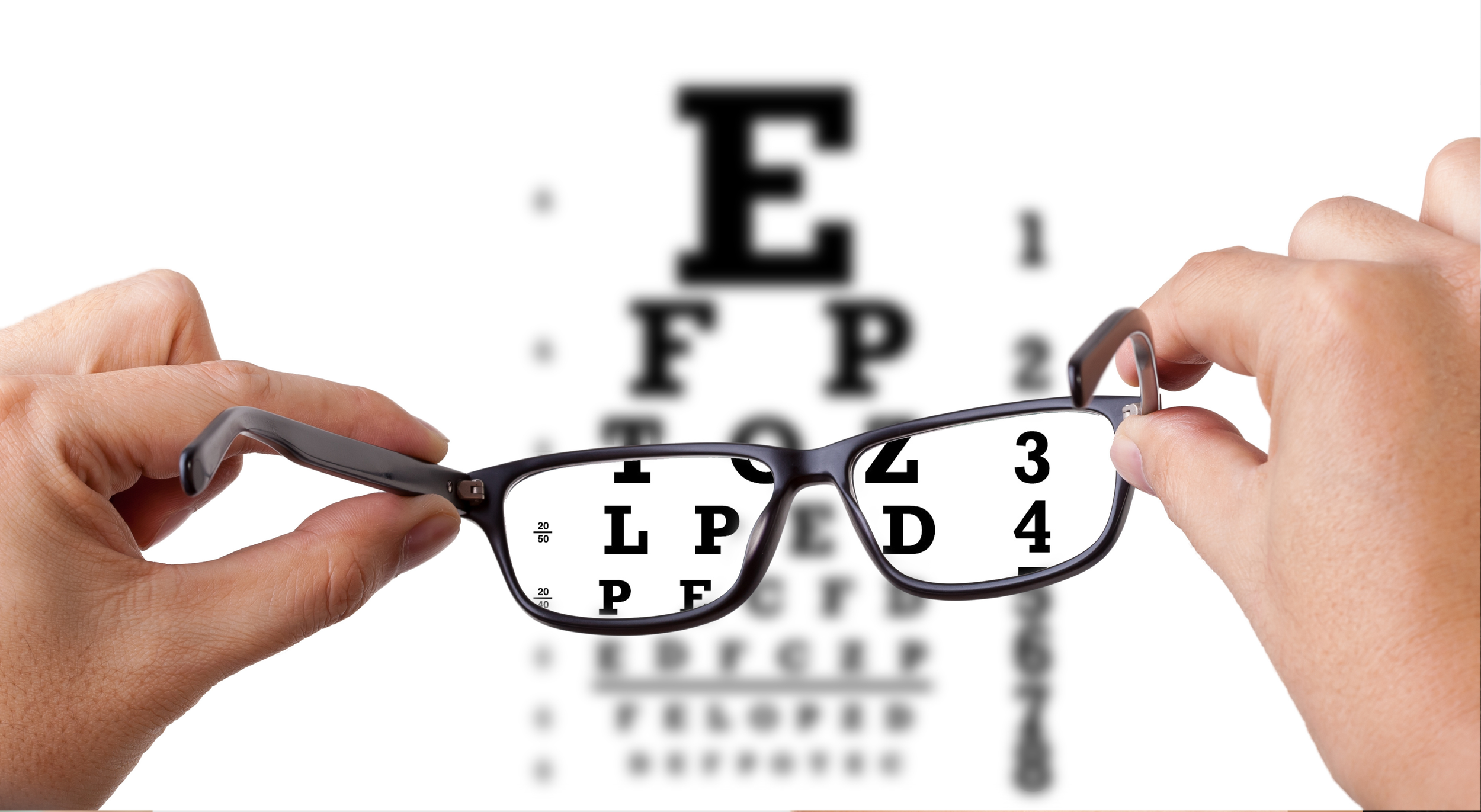
Visual acuity provides us with a quantitative measurement of our eyesight, but it does not measure the overall quality of how well our visual system is functioning and its ability to meet our daily visual demands, such as reading.
Vision is an active, all-encompassing process. Our eyes themselves do not work in isolation; rather the eyes and the brain are highly interconnected and depend on one another.
Even a simple task such as reaching for a cup of water involves our eyes and our brain working together through a process called visual motor integration. Our eyes take in the information, but our brain through visual processing skills interprets that we are looking at a cup of water. We are able to successfully reach for the cup because our brain is able to guide our movements based on the continual information and feedback it receives from our eyes.
So when we hear a patient say, “I can see, but I can’t see. Does that make sense?”
Yes, absolutely! They have adequate eyesight, but poor visual skills affecting the quality of their vision.
Both children and adults can suffer from visual dysfunction. Specialized optometric testing (not included in routine eye exams) can thoroughly evaluate the core visual skills required for optimal visual function and performance. These specialized evaluations include a developmental vision and learning exam, designed specifically for children and adolescents, and a neuro-optometric vision exam which focuses on individuals (children, adolescents, and adults) who are experiencing vision problems after an acquired brain injury or neurological event.